





Without a doubt, (and I’ve worked with lots!) Consistently delivering development that not only , but is well considered from ease of use under the hood and optimised for ultimate marketing use as well.
Can not recommend highly enough.

Sustainable digital products are faster, more accessible and less polluting
We build high-performance digital products that don't cost the earth – literally or figuratively.

Website carbon results for: www.headroomcharity.co.uk
Hurrah! This web page achieves a carbon rating of A+
This is cleaner than 89% of all web pages globally
Learn about our rating system


Website carbon results for: feelgoodco.com
Hurrah! This web page achieves a carbon rating of A+
This is cleaner than 96% of all web pages globally
Learn about our rating system


Website carbon results for: www.anthonybostockwellness.co.uk
Hurrah! This web page achieves a carbon rating of B
This is cleaner than 83% of all web pages globally
Learn about our rating system


Website carbon results for: agitate.digital
Hurrah! This web page achieves a carbon rating of A+
This is cleaner than 97% of all web pages globally
Learn about our rating system

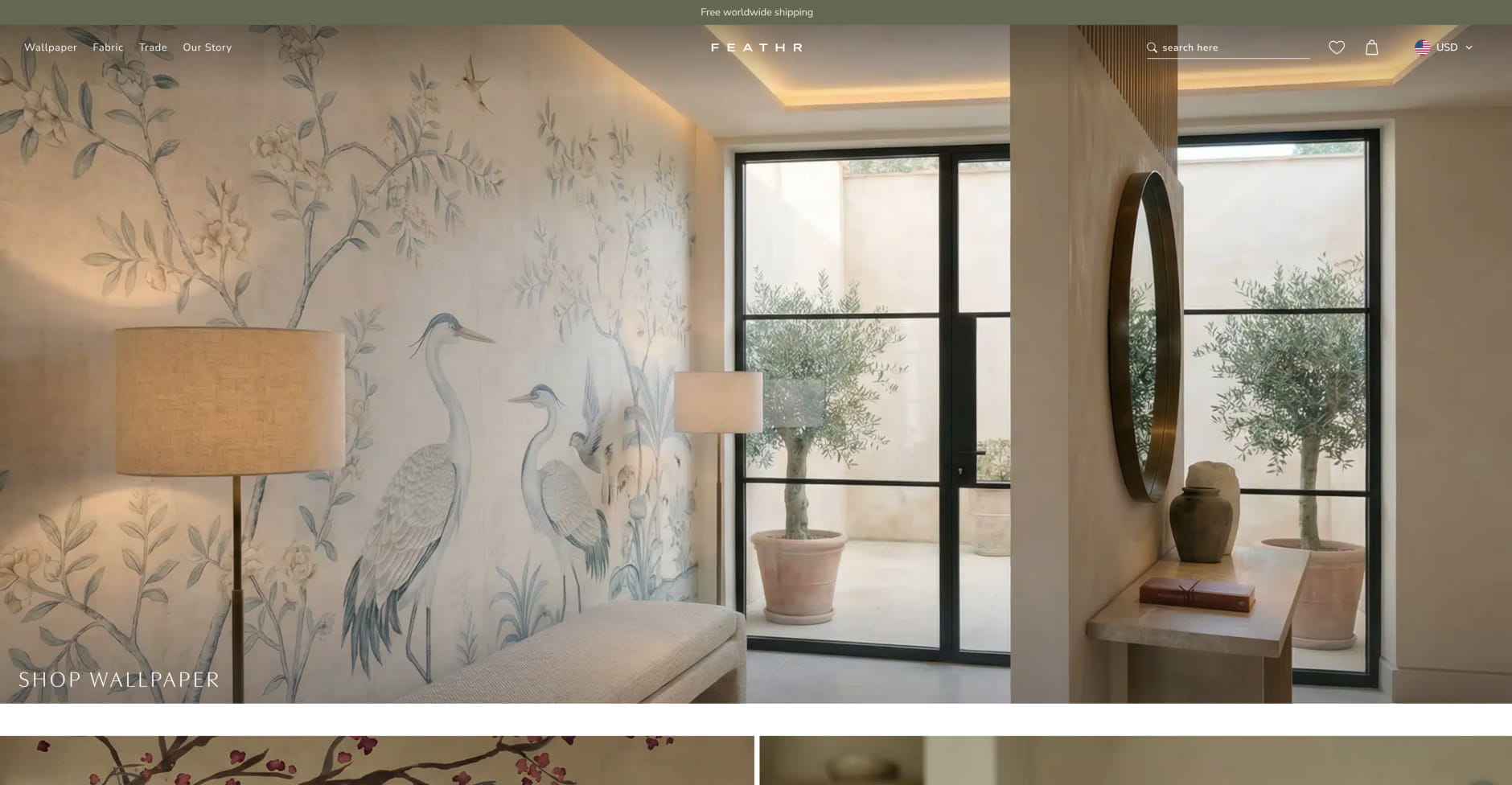
Website carbon results for: www.feathr.com
Hurrah! This web page achieves a carbon rating of A+
This is cleaner than 74% of all web pages globally
Learn about our rating system

The internet contributes to 0% of global greenhouse gas emissions, which is equivalent to the carbon emissions from all air traffic worldwide.
On an average website, every page load uses 0.4g CO2
Over a year, with 10,000 monthly views, the average website produces:

11.3kg CO₂
Which is equivalent to:
-

Boiling water for:
1,532 cups of tea
-

Full charges for:
2,335 smartphones
On an average Agitate website, every page load uses 0.03g CO2
That’s 0% less.
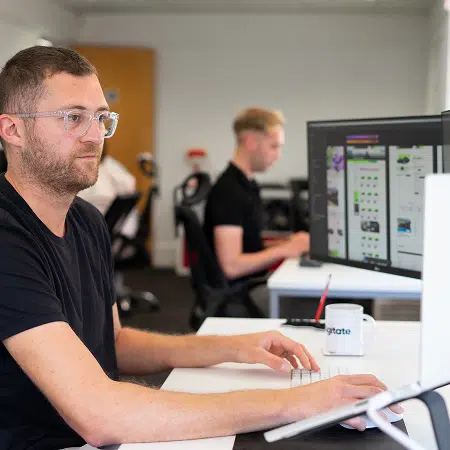
From green hosting to lean optimised code, sustainability is woven into every detail of our work.
Our proprietary development method, which prioritises page loading speed, ensures that minimal resources are consumed each time someone accesses your website. This, along with our zero-compromise approach, through our Agitate99 process, means we obsess over keeping our work resource-light, to provide the best possible experience for your users.
Additionally, our hosting is powered by sustainable energy, meaning all of our websites have a significantly reduced environmental impact.
0%
Average web pages built by Agitate are 93% cleaner.

Aligning ourselves with the WSC sustainability guidelines to build high-performing products

We run our websites and software on sustainable servers


A process, honed in through years of creating Digital products that perform, without the technical bloat.
Our five-step framework ensures every digital product is as fast as it is functional. By front-loading strategy and design, we eliminate ambiguity and set performance targets before coding begins. We validate every build against 90+ Core Web Vital scores and WCAG standards, followed by a long-term partnership focused on continuous, post-launch growth.
Book a sustainability audit today to understand how we can help you
Frequently asked sustainability questions
No. This is the fear we hear most, and it’s based on a false trade-off.
A page’s weight isn’t decided by how rich it looks. It’s decided by how carefully it’s built. Most heavy sites aren’t heavy because they’re beautiful. They’re heavy because images weren’t sized or compressed properly, because a dozen third-party scripts are loading on every page, or because a page builder shipped four times the code it needed to.
Fix those and the page gets lighter and faster without touching the design. You can have big imagery, video, motion, and a genuinely impressive site that’s still efficient. It just takes discipline in how those assets are handled rather than throwing everything at the page and hoping the visitor’s connection copes. Doing it well is harder than doing it heavy, which is rather the point.